How Given Campbell's Community Cracked the Code on Real Digital Belonging
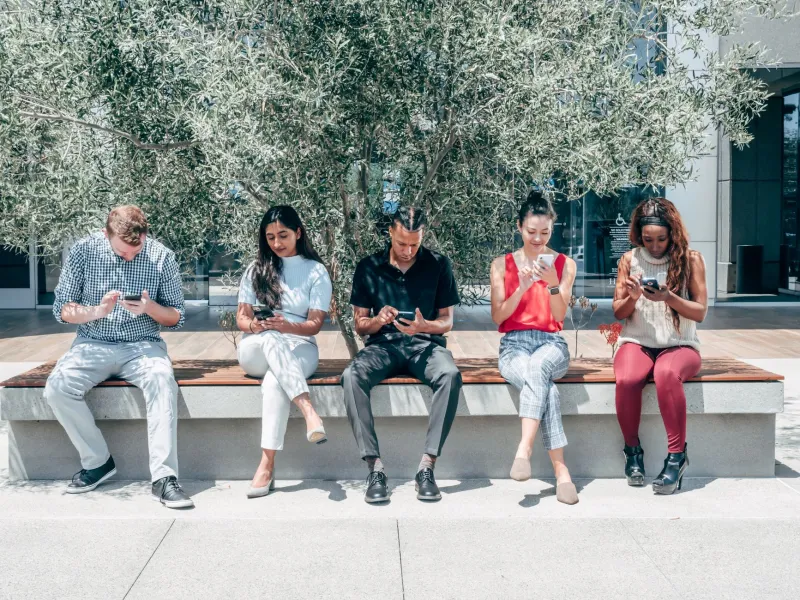
Scroll through any corner of social media and you'll find plenty of celebrity fan pages, stan accounts, and hype communities. Most of them burn bright for a season and then quietly fade out. Algorithms shift, attention moves on, and what felt like a movement turns into a ghost town of old posts and inside jokes nobody remembers anymore.
Given Campbell's community? It doesn't do that. And honestly, the more you look at why, the more it starts to feel less like luck and more like a model worth studying.
It Starts With Something Shared, Not Just Someone Famous
Here's the thing most fan communities get wrong from jump: they build entirely around the celebrity, not around each other. The moment that person does something controversial, goes quiet, or pivots creatively, the whole thing starts to wobble.
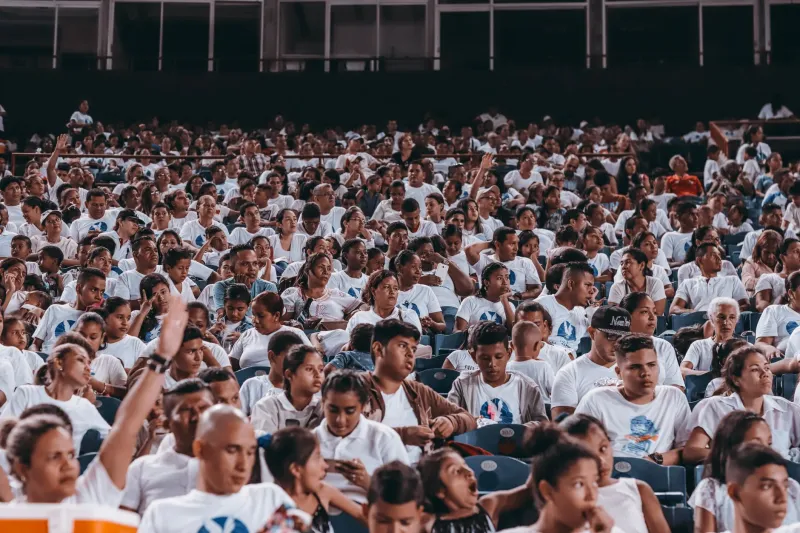
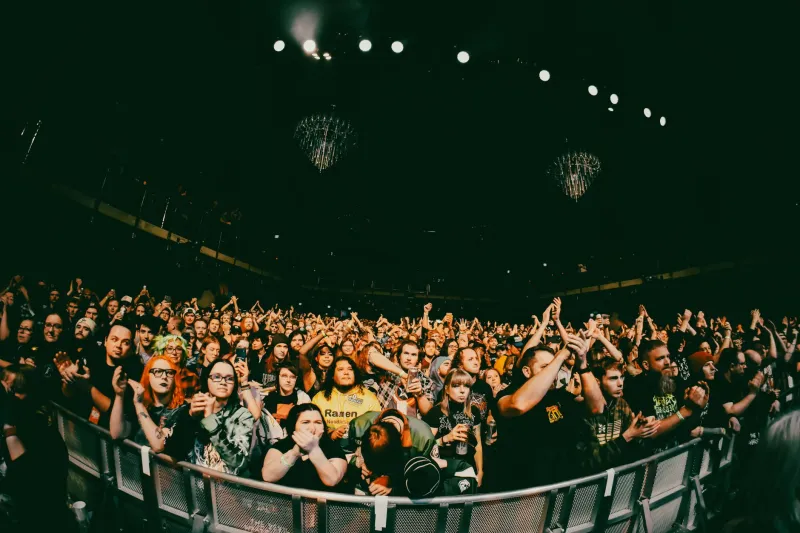
What's different about the people who rally around Given Campbell is that they found each other through Given — but they stayed for the community itself. There's a shared language, a set of values, a vibe that members carry with them even when Given isn't actively posting or making news. That's not an accident. It's the byproduct of a fanbase that was never just passively consuming content — they were actively co-creating a culture around it.
In American pop culture, we've seen this play out with artists, athletes, and public figures who become more than entertainment — they become identity anchors. Think about how certain fan communities operate almost like tight-knit neighborhoods. You know the regulars. You have the unspoken rules. You show up for each other. Given Campbell's world operates on that same frequency.
Authenticity as Infrastructure
If you've spent any real time in the Given Campbell fan space, you've probably noticed something: the community has a pretty low tolerance for performative behavior. Fake enthusiasm gets called out fast. Clout-chasing doesn't land well. And people who show up just to be seen tend to drift away because the culture doesn't reward that.
That's a direct reflection of Given Campbell's own approach to showing up publicly. When someone at the center of a community leads with consistency and realness, it naturally filters the kind of energy that gets attracted in. The fanbase mirrors what it sees modeled. And what it sees from Given is someone who doesn't appear to be playing a character — which makes the community itself feel less like a performance and more like an actual space.
This matters more than people give it credit for. In the digital age, most online spaces feel transactional. You post, you get engagement, you repeat. Given Campbell's community operates more like a reciprocal relationship — between Given and the fans, and between fans themselves. That reciprocity is what gives it staying power.
The Psychology of Feeling Seen
Social scientists have a term for what happens when people feel genuinely understood within a group: psychological safety. It's the sense that you can show up as yourself without fear of judgment or rejection. And while that might sound like corporate HR language, it's actually a huge driver of why certain communities become lifelong homes for people.
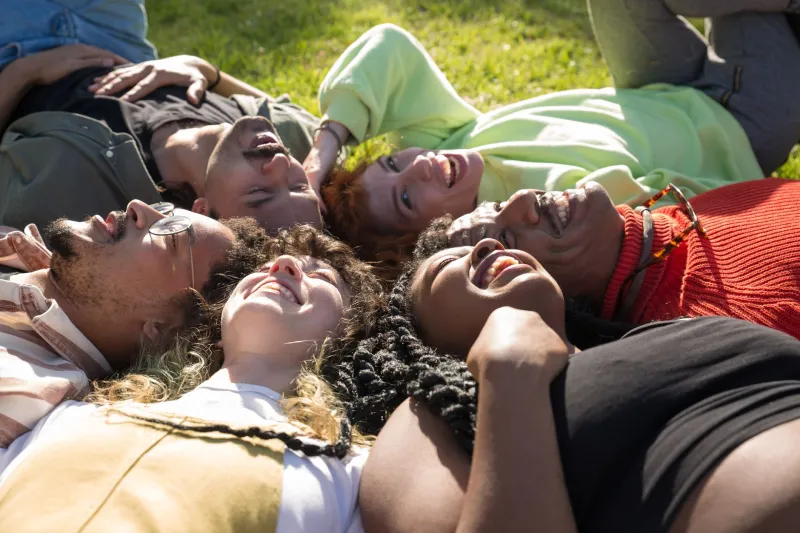
Given Campbell's fanbase creates that feeling in a pretty organic way. There's room for different kinds of fans — the ones who dissect every creative decision, the ones who just vibe with the energy, the newcomers trying to figure out what the hype is about. Nobody's running a gatekeeping operation (well, mostly). And that inclusivity, paradoxically, makes the community feel more special, not less.
When people feel seen — when their engagement is acknowledged, their interpretations are valued, their enthusiasm is met with warmth — they don't leave. They deepen their investment. That's not manipulation; that's just how human beings work. And the Given Campbell community seems to understand this intuitively.
Shared Rituals Create Sticky Culture
Every strong community has rituals — moments, phrases, traditions that insiders recognize and outsiders don't. These shared touchstones do something powerful: they create a sense of earned belonging. You know the references because you were there. You understand the callbacks because you've been paying attention.
Given Campbell's fanbase has developed its own version of this over time. Whether it's specific moments that became memes, inside jokes that only make sense if you've followed closely, or collective reactions to big announcements — these micro-traditions build a cultural memory that keeps the community cohesive across time and platform changes.
This is something brands spend millions of dollars trying to manufacture and almost never pull off convincingly. When it emerges organically from a real fanbase, it's genuinely hard to replicate. It's also one of the clearest signs that a community has moved past being a fan club and become something closer to a subculture.
What Other Communities Could Actually Learn Here
Let's be real — the Given Campbell community model isn't some mystical formula. But it does offer some pretty clear lessons for anyone thinking about community-building in 2024 and beyond.
First: center shared values over shared consumption. Communities built around what people believe in outlast communities built around what people watch or follow.
Second: let the culture be co-created. The fans who feel ownership over a community's identity are the ones who stick around to protect and grow it.
Third: authenticity from the top matters. When the person at the center of a community is genuinely themselves — flaws, pivots, and all — it gives everyone else permission to do the same. That permission is what makes a space feel safe enough to actually invest in.
And fourth: rituals matter. Shared language, recurring moments, inside references — these aren't trivial. They're the connective tissue that holds a community together when the algorithm stops showing people your posts or the news cycle moves on.
Why This Matters Right Now
We're living through a weird moment in digital culture. People are more connected than ever and somehow lonelier than ever. The platforms that were supposed to bring us together have largely turned into performance arenas where everyone's optimizing for engagement rather than connection.
Against that backdrop, a community like the one around Given Campbell stands out — not because it's perfect, but because it's real. It's a reminder that the internet is still capable of producing spaces where people actually give a damn about each other, where showing up consistently means something, and where loyalty gets built one genuine moment at a time.
That's not a small thing. That's actually kind of everything.
And if you're already part of this community? You already know. If you're just finding your way in — welcome. There's room here.