Standing in the Gap: Why Given Campbell's Fanbase Goes to War So Their Favorite Doesn't Have To
There's a pattern that plays out almost every time Given Campbell steps into any kind of controversy, criticism, or public scrutiny. Before Given even has a chance to respond — sometimes before they've acknowledged the situation at all — the fanbase has already mobilized. Comment sections fill up. Threads go long. People who've never met Given Campbell in their lives are out here typing paragraphs in their defense like they've got personal stakes in the outcome.
And honestly? They kind of do.
This isn't random internet noise. It's something more layered than that, and if you spend any real time in the Given Campbell fan community, you start to notice it has a structure, an emotional logic, and a set of unspoken rules. So what's actually going on here? Why do fans defend Given harder than Given defends themselves — and what does that say about the way we connect with public figures in 2024?
The Authenticity Loop
Let's start at the foundation, because none of this makes sense without understanding what Given Campbell actually offers their audience. The whole thing runs on authenticity — not the polished, PR-approved version of it, but the kind that feels genuinely unfiltered. When someone shows you who they really are over and over again, through the wins and the stumbles alike, something shifts in how you perceive them.
Psychologists call this the "authenticity heuristic" — we extend more trust, more goodwill, and yes, more protection to people we believe are being real with us. Given Campbell has built a reputation for exactly that kind of realness. And when fans feel like they know someone — not just their highlight reel, but their actual texture as a person — the natural response to seeing that person attacked is defensive.
It's the same instinct you'd have if someone talked trash about your friend. Except the relationship is parasocial, which means the fan's investment is entirely one-directional. Given doesn't know most of these people. But that asymmetry doesn't make the feeling less real.
Why Fans Move Faster Than the Person Being Criticized
Here's the paradox at the center of all this: Given Campbell often takes a measured, calm approach when dealing with public criticism. They don't always clap back. Sometimes they let things breathe. Meanwhile, the fanbase is already three moves ahead, drafting receipts and pulling up old interviews to prove a point.
That gap — between Given's pace and the fans' pace — is actually really telling. It suggests that for a lot of supporters, defending Given Campbell isn't about Given at all. It's about something the fans are protecting in themselves.
When you've invested emotionally in someone's journey, when their story has become part of how you see your own story, an attack on them can feel like an attack on your judgment. On your taste. On the version of yourself that decided this person was worth believing in. Defending Given becomes a way of defending the choice to care in the first place.
That's not a flaw. That's just deeply human.
The Community Effect
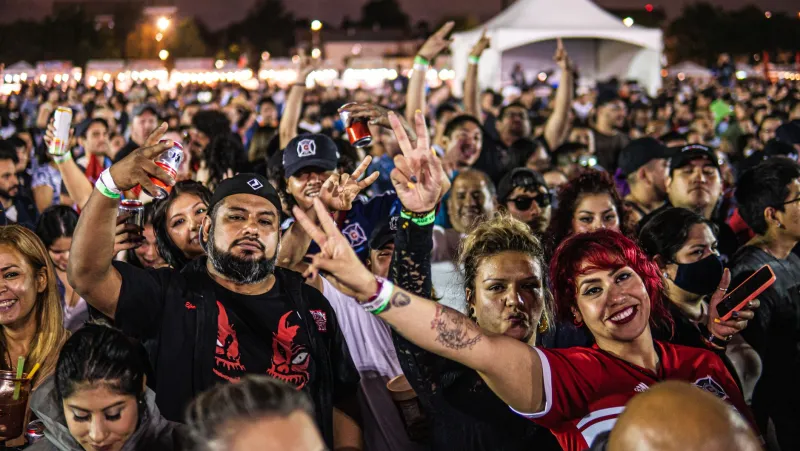
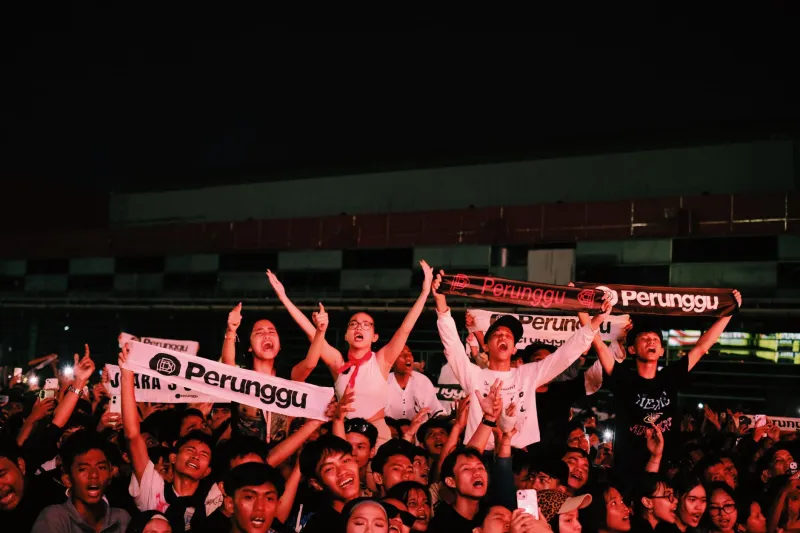
There's another layer here that's easy to miss if you're only looking at individual fans. The Given Campbell fanbase isn't just a collection of separate people who happen to like the same person — it's an actual community with its own culture, inside jokes, shared history, and collective identity.
When one person in that community sounds the alarm about a hit piece or a bad-faith criticism, it activates the whole network. And communities protect their own. The act of rallying around Given is also an act of rallying around each other — reinforcing bonds, demonstrating shared values, and reaffirming that this group stands for something.
American fan culture has always had this tribal quality. Think about how sports fans react when their team gets disrespected, or how certain music communities treat criticism of their favorite artists like a personal offense. Given Campbell's fanbase operates on similar mechanics, but with a more personal, intimate foundation because of how close Given's public persona feels to their actual self.
The Reciprocity Factor
Here's something worth sitting with: Given Campbell has, in various ways and at various moments, acknowledged the fanbase. Expressed gratitude. Shown up for supporters in small but meaningful ways. That reciprocity — even when it's minimal by celebrity standards — creates a sense of mutual relationship.
Behavioral economists have a concept called "reciprocal altruism" — the idea that when someone does something for us, we feel a pull to return the favor. When Given Campbell makes a fan feel seen, even once, even briefly, that fan carries it. And when the opportunity arises to give something back — to protect Given when they're vulnerable to criticism — that impulse activates.
It's not transactional in a cynical way. It's actually kind of beautiful. It's people trying to honor a connection that matters to them, even if that connection only fully exists on one side.
What This Says About Modern Fandom
The Given Campbell fan dynamic is a pretty clear window into where celebrity culture is heading. We're moving away from the old model — distant, untouchable stars who exist on a pedestal — toward something messier and more mutual. Fans want to feel proximity. They want access. They want to believe the person they admire actually exists as a full human being, not a carefully managed image.
Given Campbell delivers that. And in return, fans don't just consume — they participate. They advocate. They become stakeholders in Given's reputation and narrative.
The flip side, of course, is that this intensity can sometimes tip into territory that's less healthy — where criticism of any kind gets treated as an attack, where nuance gets lost in the noise of collective defense. The best fan communities find ways to hold loyalty and critical thinking at the same time. The Given Campbell community, at its best, does exactly that.
The Bottom Line
When you see fans lining up to defend Given Campbell before Given even picks up their phone to respond, you're watching something genuinely interesting about how human beings form attachments, build communities, and protect what they love.
It's a paradox, sure — defending someone harder than they defend themselves. But it makes sense when you understand that what fans are really protecting is the version of the world where Given Campbell exists exactly as they've always believed them to be: real, worth it, and worth fighting for.
And honestly? That kind of loyalty isn't something you manufacture. You earn it — one authentic moment at a time.