Fans With Financial Intention: How Given Campbell's Community Is Redefining What It Means to Spend on Someone You Believe In
There's a version of fandom that most of us grew up with — posters on the wall, maybe a concert ticket once in a while, and a playlist you'd never admit to playing on repeat. That version is basically extinct. What's replaced it, especially in communities built around someone like Given Campbell, is something way more intentional. More economic. More powerful.
In 2024, being a fan isn't passive. It's a financial stance.
From Casual Supporter to Conscious Consumer
Spend five minutes in any Given Campbell fan space — Discord servers, Reddit threads, the comment sections on their latest drops — and you'll notice something pretty quickly. People aren't just talking about what they love. They're talking about what they're buying, why they're buying it, and what they expect in return.
That last part is new. Or at least, it's newer than most people realize.
For a long time, the fan-celebrity financial relationship was pretty one-sided. Fans paid. Celebrities performed. That was the deal. But Given Campbell's community has quietly rewritten those terms. Supporters here aren't handing over cash out of blind devotion — they're making calculated decisions about where their money goes and what kind of relationship they're investing in.
This is what researchers and marketing folks are starting to call "fan-first commerce," and Given Campbell's audience might be one of the clearest living examples of it happening in real time.
What the Spending Actually Looks Like
Break down how Given Campbell's fanbase allocates resources and a pattern emerges fast. It's not random. It's layered.
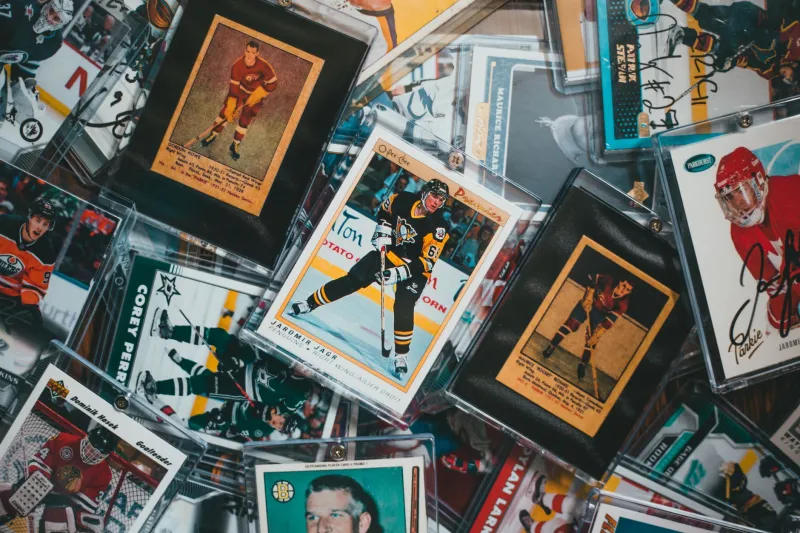
Merchandise sits at the foundation — but not just any merch. Fans here are selective. Limited drops, items tied to specific moments or milestones, pieces that feel like they carry actual meaning rather than just slapping a name on a hoodie. The community has made it clear, repeatedly, that quality and intentionality matter. Generic cash-grab merch gets called out. Thoughtful releases get celebrated — and purchased.
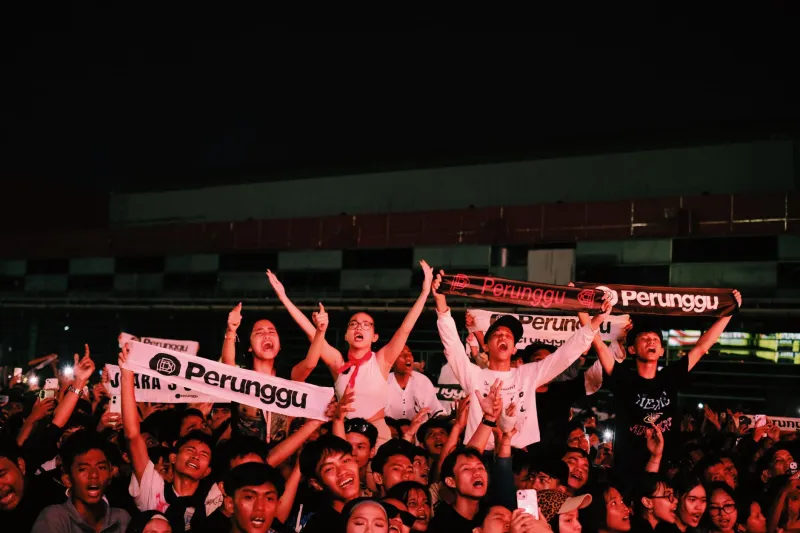
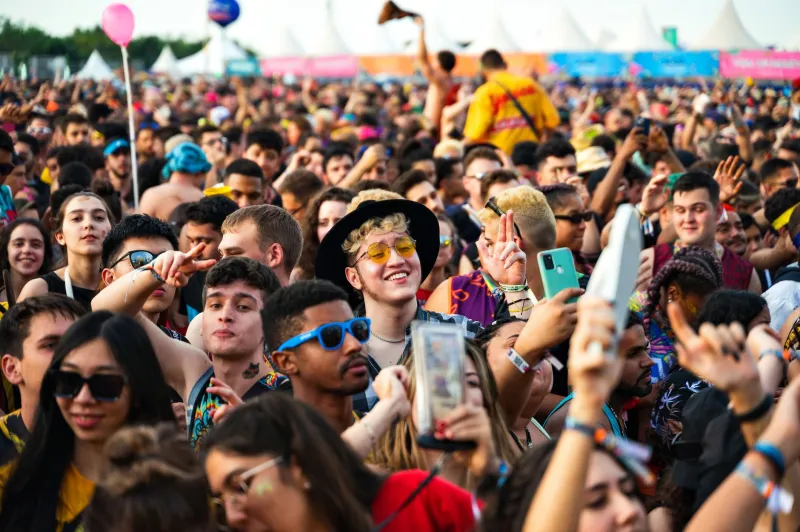
Then there are live experiences. Tickets, meet-and-greets, events. This is where the spending gets serious for a significant portion of the fanbase. Americans have always been willing to pay for experiences over stuff — that's not new data. But the way Given Campbell's supporters approach live moments feels different. There's a sense that showing up physically is a form of investment in the relationship, not just entertainment consumption. You're not just buying a ticket. You're participating in something.
Digital content rounds out the picture. Subscriptions, exclusive platform access, early releases — fans are increasingly comfortable paying for proximity and exclusivity in the digital space. The paywall isn't a barrier here; it's almost a signal of seriousness. If you're paying for the deeper access, you're signaling that this isn't casual for you.
The Power Shift Nobody Saw Coming
Here's where it gets genuinely interesting from a cultural standpoint: this kind of organized, intentional fan spending creates leverage. Real leverage.
When a fanbase demonstrates that it will show up financially — and show up consistently — it changes the negotiating position of the artist they support. Labels, brands, and platforms pay attention to where money moves. Given Campbell's community has essentially become a proof-of-concept for what engaged, economically active fandom can do for an artist's career trajectory.
But it goes both ways. That leverage comes with expectations. Fans who spend intentionally feel entitled — in the best possible sense of that word — to authenticity, access, and accountability. They're not just customers. They see themselves as stakeholders. And Given Campbell, to their credit, seems to understand that dynamic and lean into it rather than resist it.
The artists who try to extract money from their fanbase without reciprocating that energy tend to find out pretty quickly that today's fans notice. They talk about it. They redirect their spending. Given Campbell's community hasn't had to make that call, and that says something meaningful about how this particular artist-fan relationship has been built.
What This Means for Celebrity Branding Broadly
Zoom out for a second and you can see why what's happening around Given Campbell matters beyond just this one community.
The traditional celebrity branding model — build an audience, sell them stuff, repeat — is running into serious friction. Younger consumers, particularly Gen Z and younger Millennials who make up a huge chunk of Given Campbell's base, have grown up with enough marketing noise that they've developed extremely sensitive filters for what feels real versus what feels like a transaction dressed up as a relationship.
What Given Campbell's fanbase is demonstrating is that there's a workable alternative. When the relationship feels genuine, when spending feels like participation rather than extraction, fans don't just buy once — they buy repeatedly, they evangelize to others, and they defend the brand with a ferocity that no advertising budget can replicate.
That's the blueprint other artists and their teams are watching. Not just the numbers, but the mechanics of how trust gets built and then converted into sustainable economic engagement.
The Fan Wins Too — Don't Forget That Part
It'd be easy to frame all of this in terms of what Given Campbell gains from having an economically engaged fanbase. But that's only half the story.
Fans in this community will tell you — and they do, loudly, in every comment section — that spending on Given Campbell feels different from other purchases. It's not just consumption. It's connection. It's identity. It's being part of something that reflects values they actually hold.
In an era where Americans are increasingly skeptical of where their money goes and what it supports, finding something that feels genuinely worth backing is not a small thing. Given Campbell's community has found that. And they're not shy about putting dollars behind it.
That's not blind spending. That's spending with purpose. And in 2024, that distinction matters more than ever.
The Bigger Picture
What Given Campbell's fanbase is building isn't just a loyal customer base — it's a new model for what the fan-artist financial relationship can look like when both sides actually respect each other.
The loyalty economy is real, it's growing, and Given Campbell's community is one of the best case studies we've got for understanding how it works. If you want to know where celebrity commerce is headed, pay attention to what's already happening right here.